The character · The author · The books
Arsène Lupin, the gentleman thief
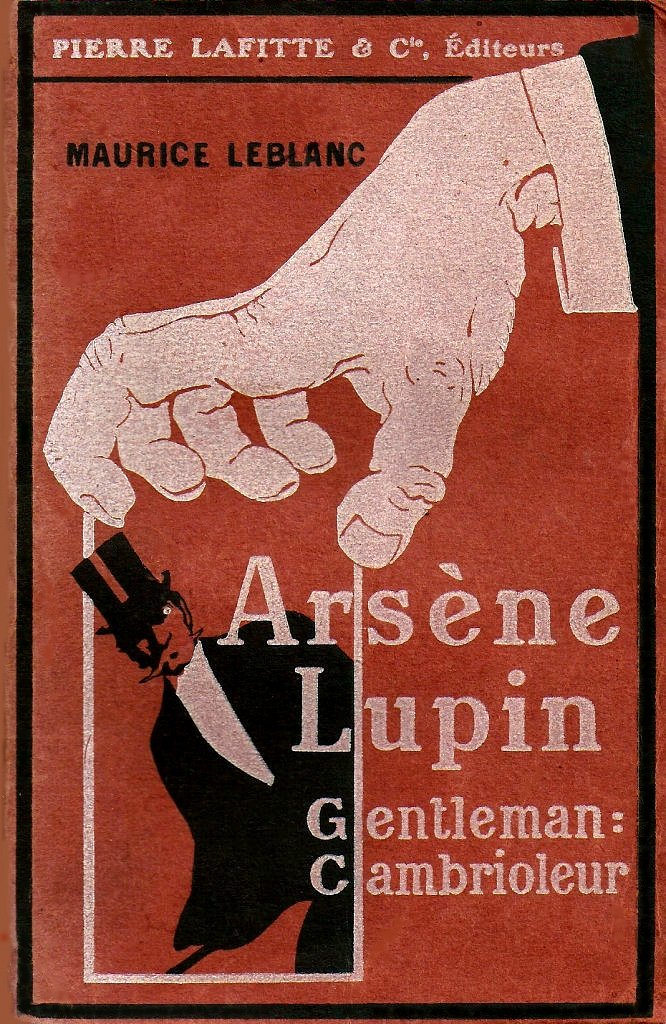
Arsène Lupin is a fictional French gentleman burglar (gentleman-cambrioleur) created by Maurice Leblanc in 1905. A master of disguise who steals from the rich with wit and good manners, he appears in more than twenty novels and short-story collections published between 1905 and the 1930s, and is France’s most famous fictional thief.
Last updated:
Who is Arsène Lupin?
Lupin is a burglar who behaves like a gentleman. He robs bankers, aristocrats and collectors, rarely the poor; he warns his victims in advance, leaves a visiting card, and prefers humiliating the police to hurting anyone. He has a hundred names and faces, and the stories often keep the reader guessing which character he really is. His great enemy is Inspector Ganimard of the Paris police.
He is often compared with Sherlock Holmes, and Leblanc made the comparison himself: Holmes appears in an early Lupin story, and after Arthur Conan Doyle objected, the detective was renamed Herlock Sholmès for the book Arsène Lupin contre Herlock Sholmès (1908).
Who created Arsène Lupin?
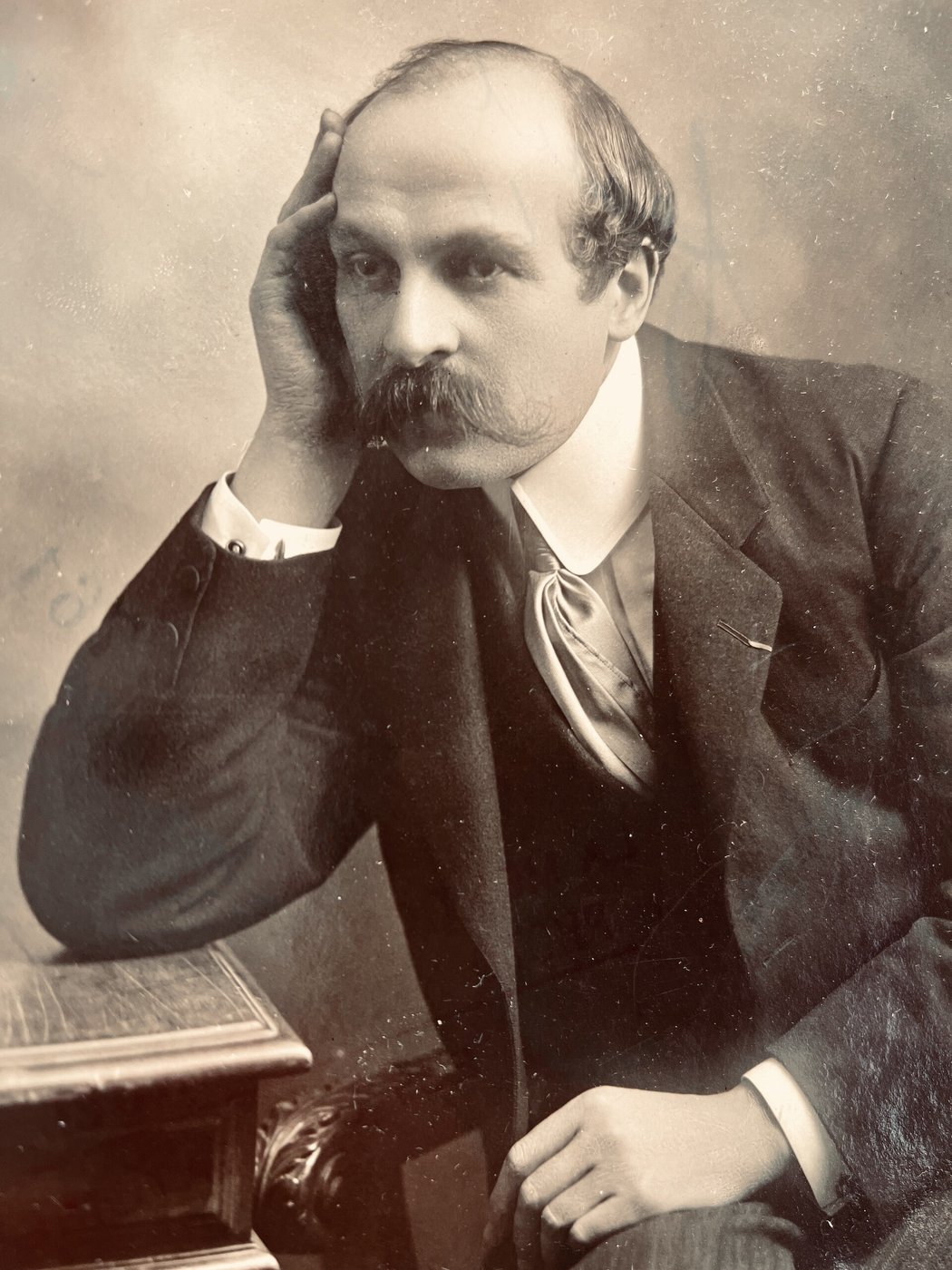
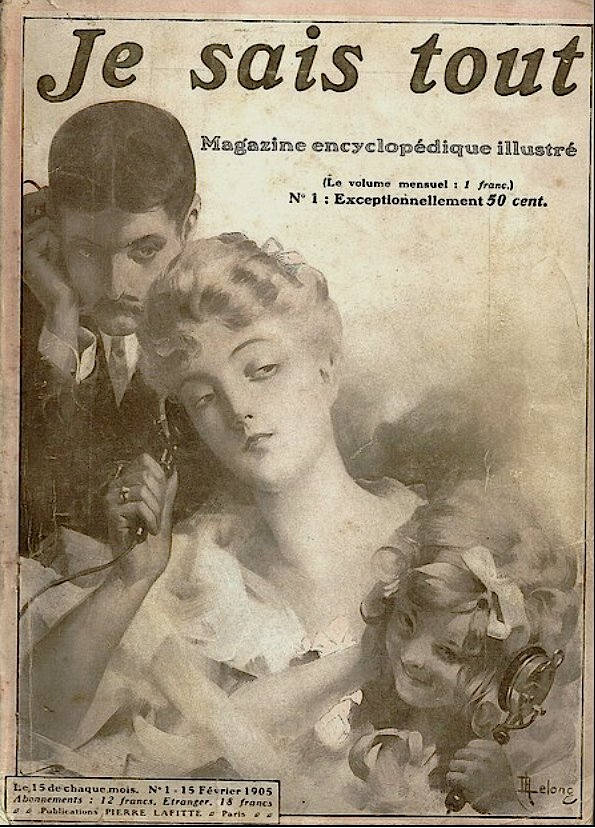
Maurice Leblanc (born in Rouen on 11 December 1864, died in Perpignan on 6 November 1941) was a French novelist and journalist from Normandy. He was writing literary short stories with little success when the publisher Pierre Lafitte asked him for a crime story for his new magazine, Je sais tout. The result was L’Arrestation d’Arsène Lupin. Its success turned Leblanc into the writer of Lupin for the rest of his life. His house in Étretat, on the Normandy coast, is now a museum, the Clos Arsène Lupin.
When did Arsène Lupin first appear?
In 1905, in Je sais tout, with L’Arrestation d’Arsène Lupin (“The Arrest of Arsène Lupin”). The story takes place on a transatlantic liner, the Provence, crossing from Le Havre to New York, when a wireless telegram announces that Lupin is on board under a false name. In 1907 it opened the first collection, Arsène Lupin, gentleman-cambrioleur. It is the story that the LupinFrench A1 course retells for beginners, one chapter per lesson.
Which are the main Arsène Lupin books?
| Year | French title | English title | What it is |
|---|---|---|---|
| 1907 | Arsène Lupin, gentleman-cambrioleur | Arsène Lupin, Gentleman-Thief | Nine stories, starting with his arrest on a liner. LupinFrench A1 and A2. |
| 1908 | Arsène Lupin contre Herlock Sholmès | Arsène Lupin vs. Herlock Sholmes | Two long cases against a thinly disguised English detective. LupinFrench B1. |
| 1909 | L’Aiguille creuse | The Hollow Needle | A schoolboy detective, Isidore Beautrelet, and the secret of the French kings. LupinFrench B2. |
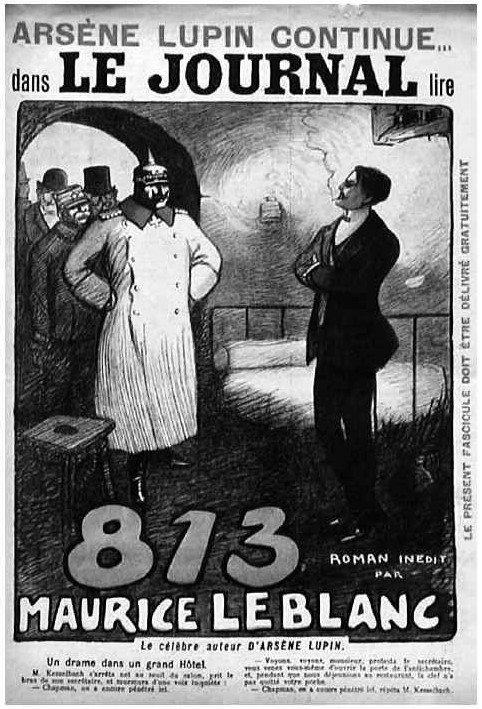
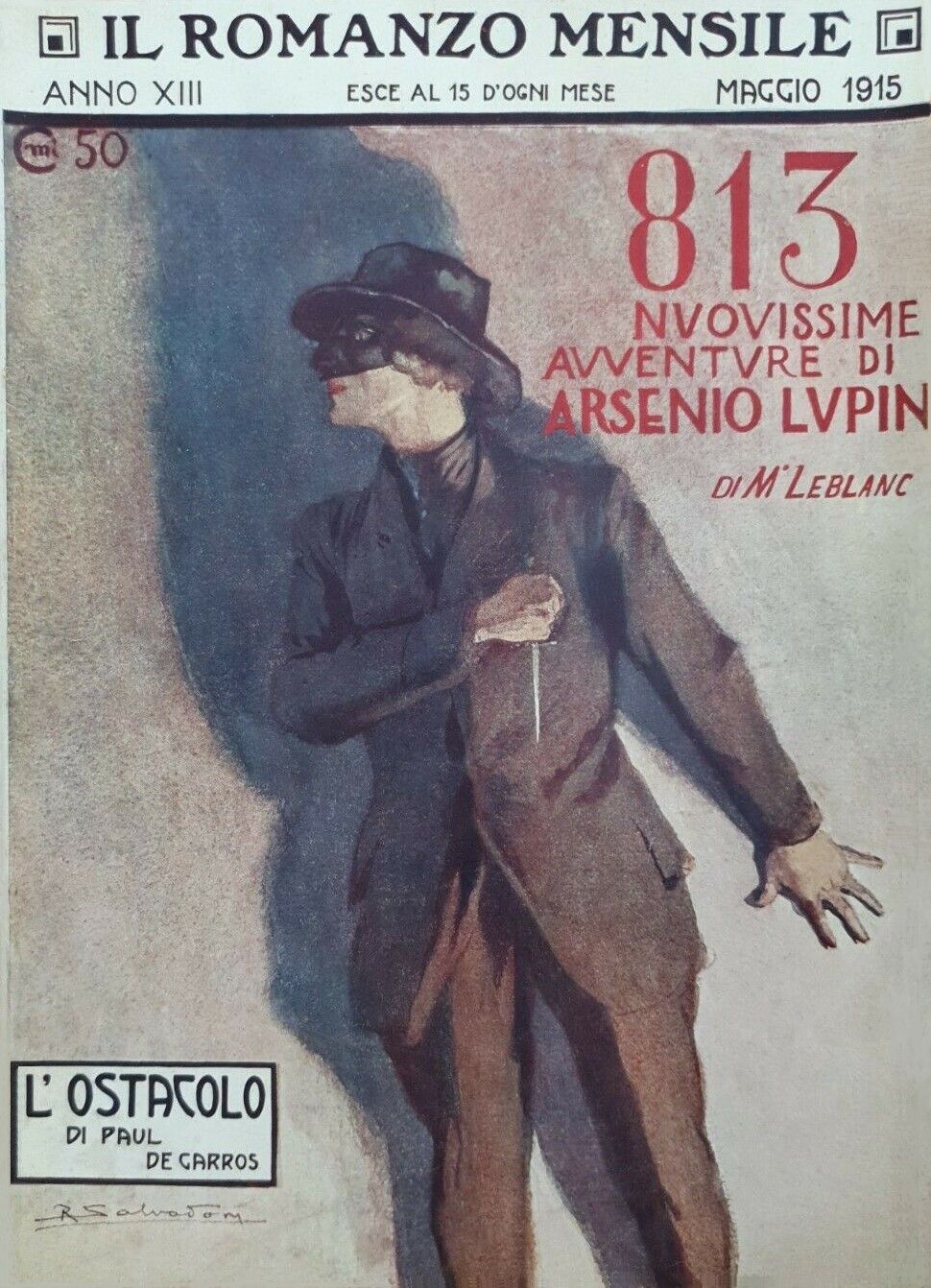
| 1910 | 813 | 813 | A dark political thriller around a mysterious number. LupinFrench C1. |
| 1912 | Le Bouchon de cristal | The Crystal Stopper | Lupin against a blackmailer, for once on the losing side. |
| 1913 | Les Confidences d’Arsène Lupin | The Confessions of Arsène Lupin | Short stories told by Lupin himself. |
| 1924 | La Comtesse de Cagliostro | The Countess of Cagliostro | The young Lupin’s first adventure. LupinFrench C2. |
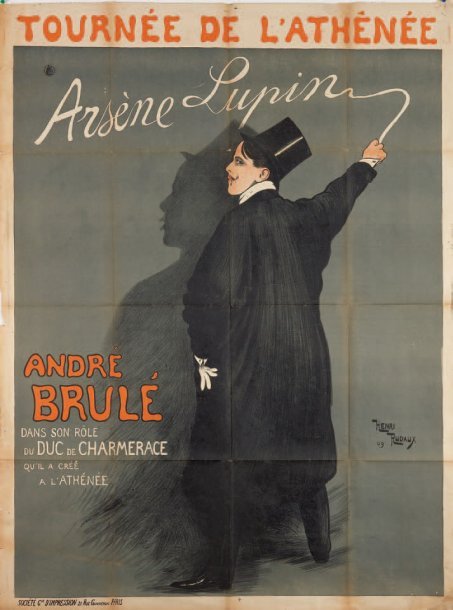
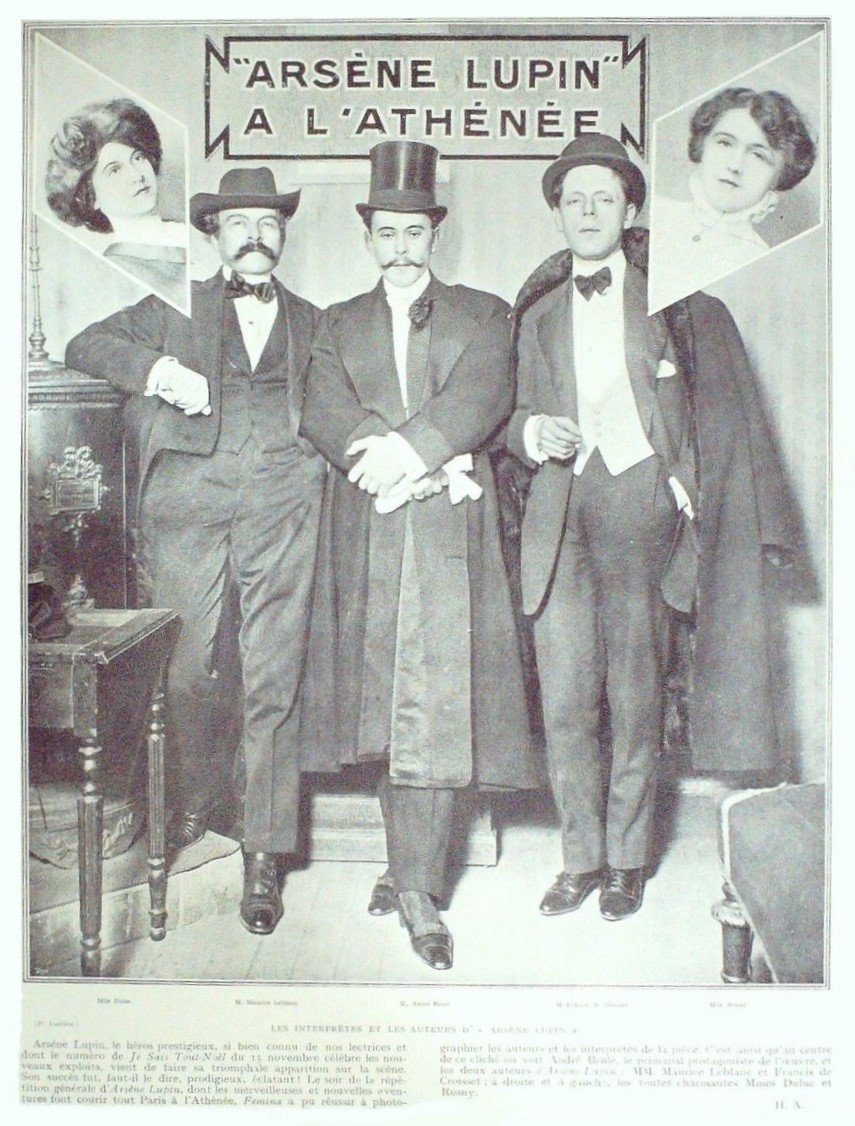
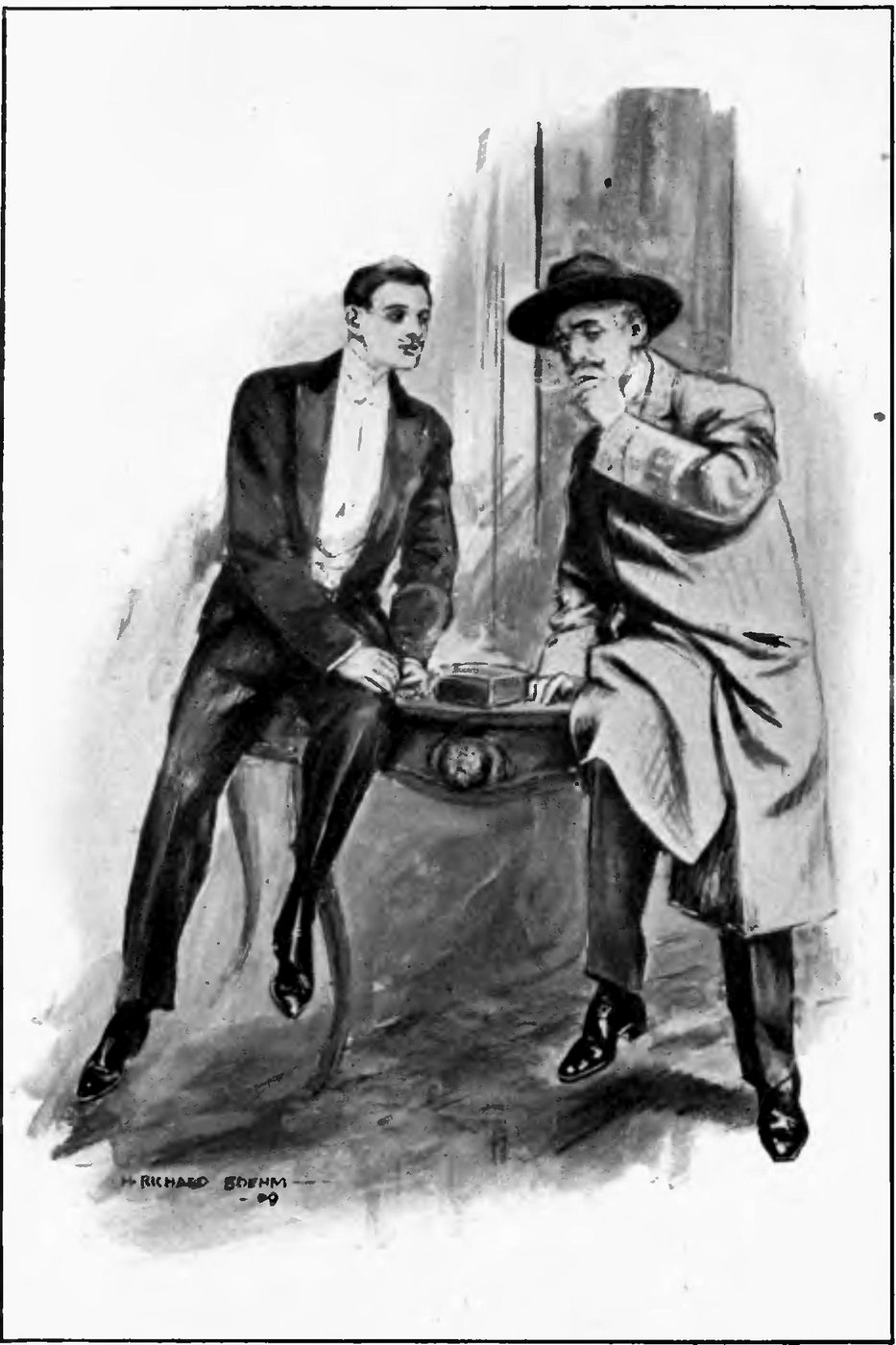
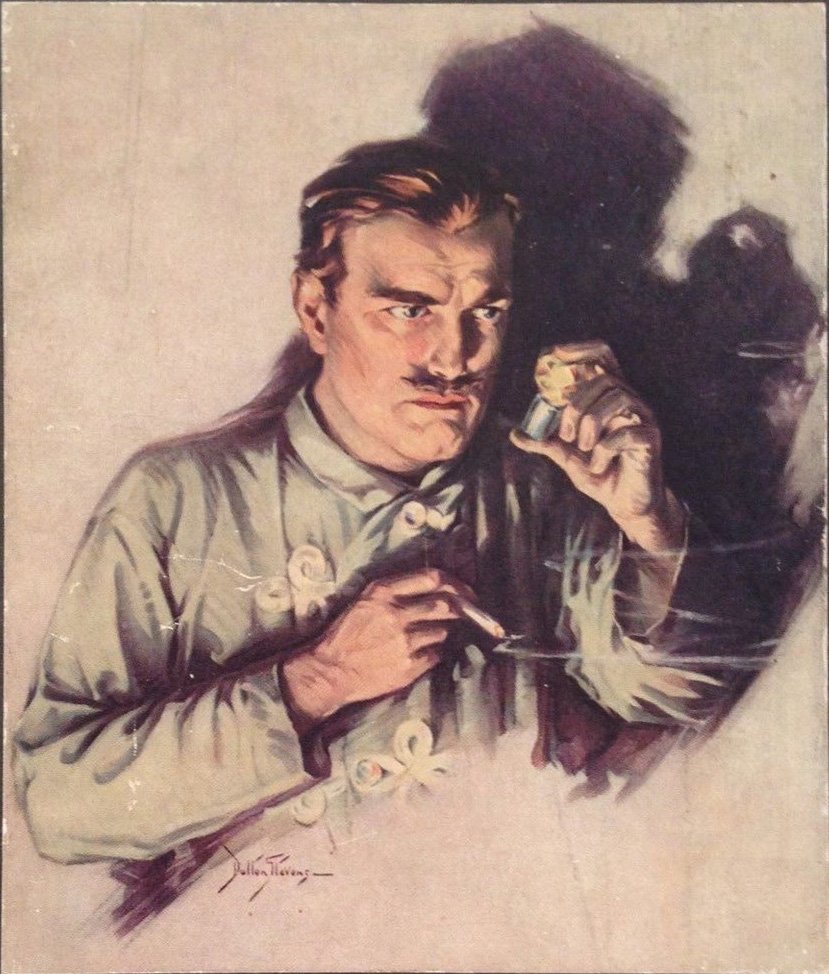
Leblanc also wrote a play with Francis de Croisset, Arsène Lupin, first staged at the Théâtre de l’Athénée in Paris in 1908 with André Brulé in the title role. It was soon performed in London and Berlin, and the engravings and photographs on this page come from that first wave of Lupin fever.
Is Arsène Lupin in the public domain?
Yes. Maurice Leblanc died in 1941, so in France and the rest of the European Union his works have been in the public domain since 1 January 2012 (70 years after the author’s death). In the United States, every book published before 1931 is in the public domain, which covers all the titles above. That is why LupinFrench can quote the original French freely. The pictures on this site are also in the public domain; each one is credited below it.
Is the Netflix series Lupin based on the books?
It is inspired by them. In the Netflix series Lupin (2021), the hero, Assane Diop, is a modern Parisian who models himself on Leblanc’s character after reading the books. The series is a separate, copyrighted work. LupinFrench is based only on Leblanc’s original texts and has no connection with Netflix, its producers or the Leblanc estate.
Can I read Arsène Lupin in French as a beginner?
Not in the original, not yet: Leblanc writes elegant literary French of 1905, with the passé simple and long sentences. That is the point of LupinFrench. Level A1 retells his first story in the present tense with the 500-odd words a beginner can manage, and each level gets closer to his text. Start with lesson 1, “A big ship”, or see the French readers by level. If you want the originals now, they are on French Wikisource.
Pictures of Arsène Lupin