French grammar · A1 · Lesson 1
Être and the articles un, une, le, la
Être is the French verb “to be”, and it is irregular: je suis, tu es, il est, nous sommes, vous êtes, ils sont. Every French noun is masculine or feminine, and the article shows which: un and le with masculine nouns, une and la with feminine ones, and l’ before a vowel or silent h.
Last updated:
How does it work?
All three sentences use the same verb, être, “to be”. It is the most common verb in French and it is irregular, so you learn all six forms now and stop worrying about it.
| être | ||
|---|---|---|
| je | suis | I am |
| tu | es | you are (one friend) |
| il / elle / on | est | he / she / it is, one is |
| nous | sommes | we are |
| vous | êtes | you are (polite, or several people) |
| ils / elles | sont | they are |
Good news for your ears: est and es sound exactly the same, like “ay”. The final -s and -t are silent.
Gender. Every French noun is masculine or feminine: not only people, but ships, seas and skies. There is nothing masculine about a boat. Gender is a label glued to the word, so learn every noun with its article attached: not bateau but le bateau.
| a / an | the | |
|---|---|---|
| masculine | un bateau | le bateau |
| feminine | une dame | la mer |
Before a vowel or a silent h, le and la both shrink to l’: l’homme, l’Amérique. Easier to say, and it hides the gender, so the dictionary is your friend there.
Ships are a fun exception to watch for: French usually says la Provence, la France, because the ship takes the gender of its name, but the word bateau itself stays masculine. And an adjective that describes a feminine noun often takes an extra -e: un grand bateau, une grande ville. Lesson 2 is about exactly that.
What does it look like in the story?
These sentences come from lesson 1, “A big ship”, where the narrator is crossing the Atlantic on the liner Provence with Arsène Lupin hidden among the passengers.
| French | English |
|---|---|
| Je suis français, de Paris. | I am French, from Paris. |
| La Provence est un grand bateau. | The Provence is a big ship. |
| Le commandant est un homme aimable. | The captain is a kind man. |
Try it: The same verb is in all three sentences. Which one? And a second question: why la Provence but le commandant, when English says “the” both times?
« La Provence est un transatlantique rapide, confortable, commandé par le plus affable des hommes. »
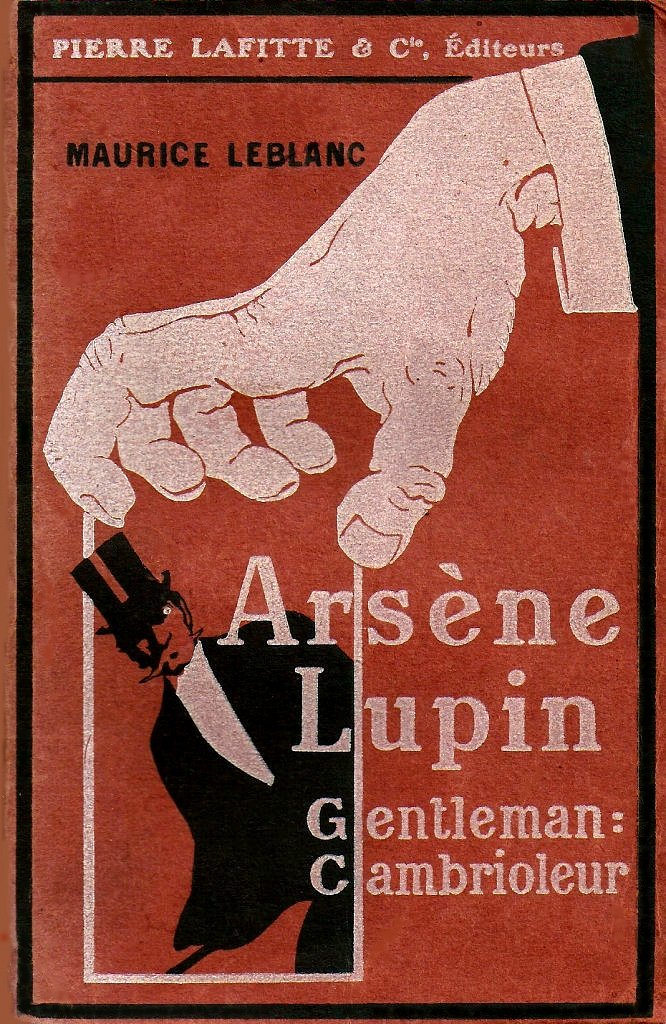
The Provence is a fast, comfortable liner, commanded by the most affable of men. Maurice Leblanc, L’Arrestation d’Arsène Lupin (1905).
How is it different from English?
English has one “the” for everything. French has two in the singular, le and la, and two “a”: un and une. Pick by the gender of the noun, never by the meaning.
What mistake do English speakers make?
English speakers say ✗ Je suis un français, copying “I am a Frenchman”. French drops the article after être with nationalities and jobs: ✓ Je suis français, ✓ Il est commandant. Nationalities also take a small letter in French: français, not Français.
Where can I practise it?
- Lesson 1: A big ship: the story, the rule and interactive exercises, free.
- Review 1: lessons 1 to 5: this point again, in a summary table with the other lessons of the block.
- The A1 glossary: every word of the course, French to English.