French grammar · A1 · Lesson 12
The partitive: du, de la, des and pas de
The partitive article (du, de la, de l’, des) means “some” or “any”, an amount you are not counting: du lait, de la confiture, des perles. After a negative it shrinks to de (or d’): il n’y a pas de perles. With être nothing shrinks: ce n’est pas du thé.
Last updated:
How does it work?
English is happy with a bare noun: “there are pearls”, “I take milk”. French almost never is. When you mean “some” or “any”, an amount you are not counting, you need the partitive article, which is just de glued to the article you already know.
| some… | no… / not any… | |
|---|---|---|
| masculine | du lait | pas de lait |
| feminine | de la confiture | pas de confiture |
| before a vowel | de l’audace | pas d’audace |
| plural | des perles | pas de perles |
Du is de + le, squeezed into one word. French never says de le. (Des is de + les in the same way.)
Le thé or du thé? The story has both, side by side. Le thé is tea in general, or tea as an event: prendre le thé, “to have afternoon tea”, j’aime le thé, “I like tea”. Du thé is an amount of it in a cup: elle prend du thé, “she has some tea”. Rule of thumb: if you could add “some” in English, French wants du, de la or des.
After a negative, everything shrinks to de. Il y a des perles becomes il n’y a pas de perles; il a du courage becomes il n’a pas de courage; before a vowel, d’: pas d’audace. Think of pas de as “zero”: you cannot have “some” of zero, so the gender and number fall away. Lady Jerland’s bag goes from des diamants to pas de diamants in a single afternoon.
One exception to file away: with être, nothing shrinks. Ce n’est pas du thé, c’est du café. You are not saying there is zero tea, you are saying the cup holds something else.
On is one of the most useful words in French. It means “people” in general, “someone” you cannot name, or, in everyday speech, “we”. Its verb is the same as for il: on parle, on cherche, on a une idée. When the whole ship is gossiping, on parle says it in two words.
What does it look like in the story?
These sentences come from lesson 12, “Lady Jerland’s jewels”, where the narrator is crossing the Atlantic on the liner Provence with Arsène Lupin hidden among the passengers.
| French | English |
|---|---|
| Sur la table, il y a des colliers et des bracelets. | On the table there are necklaces and bracelets. |
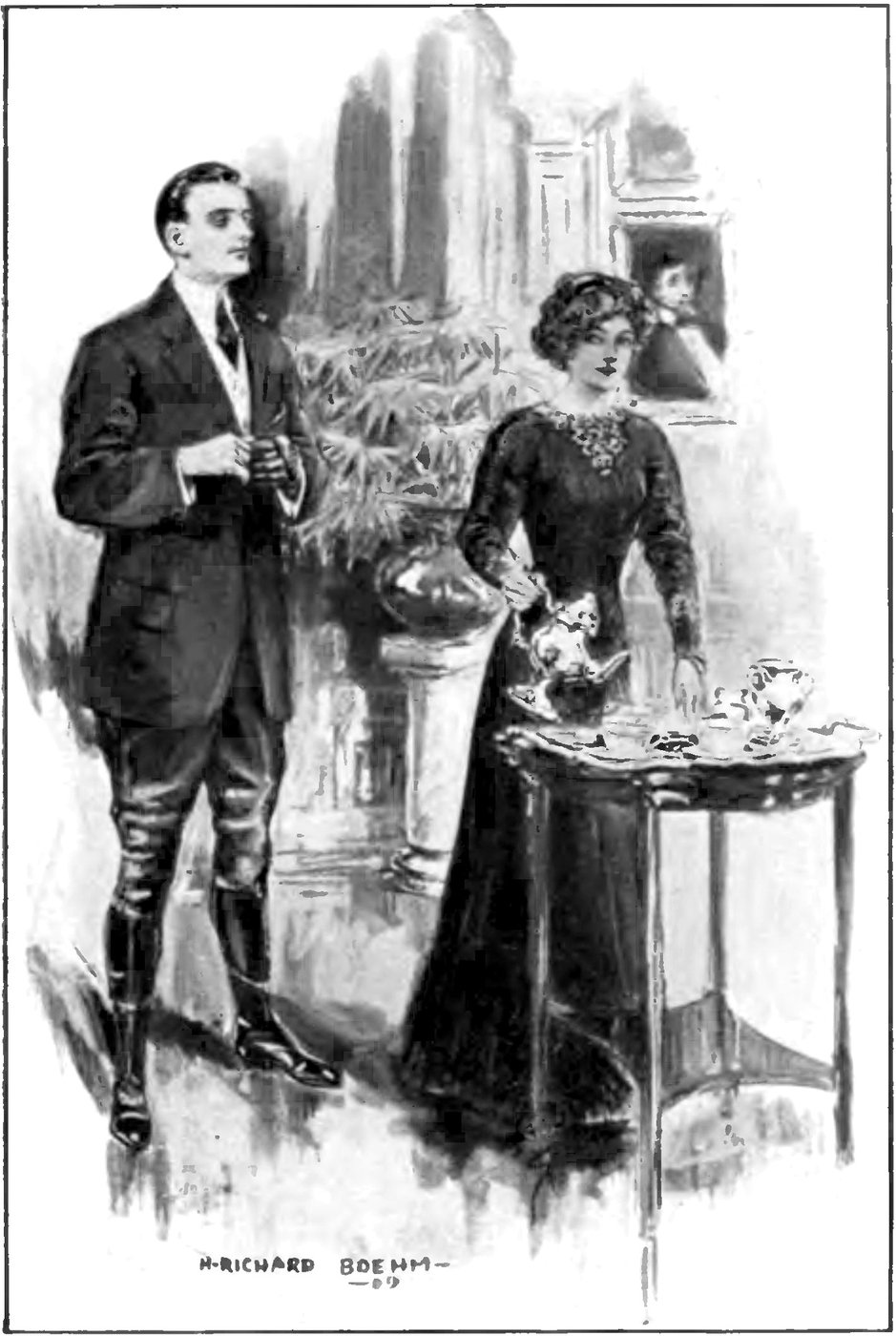
| Lady Jerland prend le thé : du thé, du lait, de la confiture et des gâteaux. | Lady Jerland takes tea: tea, milk, jam and cakes. |
| Aujourd’hui, il n’y a pas de diamants, pas de rubis, pas de perles. | Today there are no diamonds, no rubies, no pearls. |
| Sur le pont, on parle, on crie, on cherche. | On deck, people talk, shout, search. |
Try it: English says “necklaces”, “milk”, “jam” with no article at all. French puts a little word in front of every one of them. Which words? And look at the third sentence: what happens to des after ne… pas?
« Non, on n'avait pas tout pris, comme nous le sûmes par la suite; chose bien plus curieuse: on avait choisi! »
No, they had not taken everything, as we found out later; something much more curious: they had chosen! Maurice Leblanc, L’Arrestation d’Arsène Lupin (1905).
How is it different from English?
English can leave a noun naked: “there are pearls”, “she drinks tea”. French cannot: des perles, du thé. And where English says “no pearls” or “not any pearls”, French says pas de perles, never pas des perles.
What mistake do English speakers make?
Two classic slips. ✗ Il n’y a pas des perles: after the negative, des must become de, so ✓ Il n’y a pas de perles. And ✗ Je prends lait, copying “I take milk”: French needs its article, ✓ Je prends du lait.
Where can I practise it?
- Lesson 12: Lady Jerland’s jewels: the story, the rule and interactive exercises, free.
- Review 3: lessons 11 to 15: this point again, in a summary table with the other lessons of the block.
- The A1 glossary: every word of the course, French to English.
← Ce, cet, cette, ces (this, that). Left and right · Aller and the near future →