French grammar · A1 · Lesson 19
Venir, venir de, and adjectives before the noun
Venir means “to come”: je viens, il vient, nous venons, vous venez, ils viennent. Venir de + infinitive means “to have just done”: le bateau vient d’arriver, “the ship has just arrived”. Short everyday adjectives of beauty, age, goodness and size go before the noun (un vieux petit homme), and before a vowel vieux becomes vieil.
Last updated:
How does it work?
Venir is irregular, and its forms are worth learning because a whole family of verbs copies it (revenir, to come back; devenir, to become):
| venir | ||
|---|---|---|
| je / tu | viens | I come / you come |
| il / elle / on | vient | he / she comes |
| nous | venons | we come |
| vous | venez | you come |
| ils / elles | viennent | they come |
Now the two faces of venir de. Followed by a place, it is plain “to come from”: il vient de Paris. Followed by an infinitive, it becomes a little time machine meaning “to have just done”: le bateau vient d’arriver, “the ship has just arrived”; Rozaine vient de passer, “Rozaine has just walked past”. The verb is in the present, but the action is a few seconds old. It is the twin of aller + infinitive from lesson 13: je vais partir (I am about to leave), je viens de partir (I have just left).
Adjectives before the noun. Most French adjectives come after the noun: une redingote vert olive, le policier célèbre. But a small club of short, everyday ones goes in front. English teachers remember them as BAGS: Beauty (beau, joli), Age (jeune, vieux, nouveau), Goodness (bon, mauvais), Size (petit, grand, gros). Hence un vieux petit homme and un jeune officier.
Two extra details. Vieux, beau and nouveau have a special form before a vowel so that they can glide into the noun: un vieil homme, un bel homme, un nouvel ami. And a few adjectives change meaning with their position: pauvre Rozaine is “poor Rozaine”, the one you feel sorry for, while un homme pauvre is a man with no money. Un grand homme is a great man; for a tall man French prefers un homme grand. Rivolta, le grand Italien, is simply tall.
What does it look like in the story?
These sentences come from lesson 19, “New York!”, where the narrator is arriving in New York.
| French | English |
|---|---|
| Le bateau vient d’arriver. | The ship has just arrived. |
| Il vient de Paris pour arrêter Arsène Lupin. | He has come from Paris to arrest Arsène Lupin. |
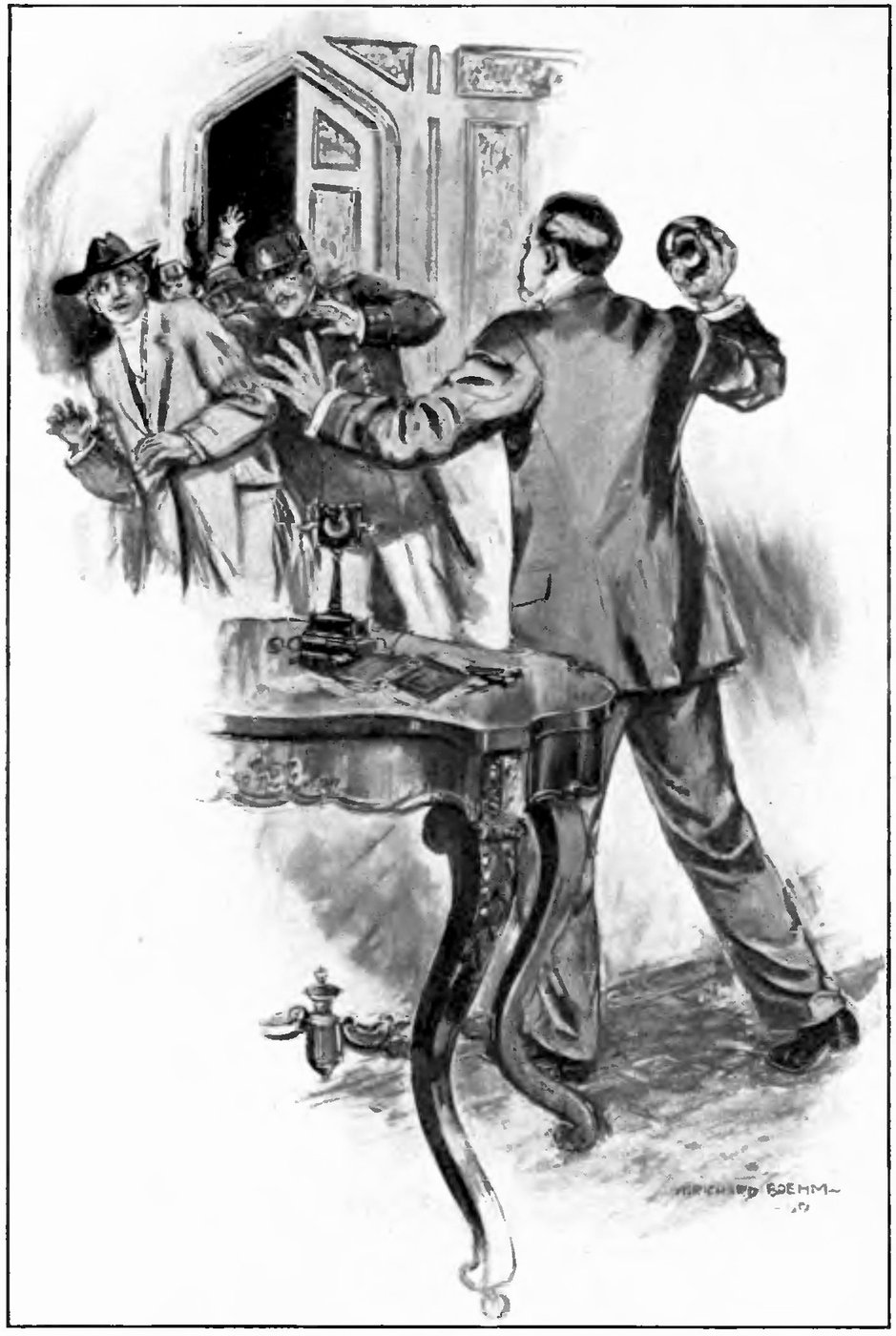
| Soudain, je vois un vieux petit homme au bout de la passerelle. | Suddenly I see a little old man at the end of the gangway. |
Try it: Vient de is in both of the first two sentences. Does it mean the same thing both times? Look at what comes after it. And in the third sentence, where are the adjectives: before or after homme?
« Vous voyez ce vieux petit homme debout à l'extrémité de la passerelle? »
Do you see that little old man standing at the end of the gangway? Maurice Leblanc, L’Arrestation d’Arsène Lupin (1905).
How is it different from English?
English needs a past form and the word “just”: “I have just arrived”. French needs neither: je viens d’arriver, literally “I come from arriving”. Present tense, no “just”, and the meaning is exactly the same.
What mistake do English speakers make?
The tiny de is the whole trick, and it is the part people drop: ✗ le bateau vient arriver means something closer to “the ship comes in order to arrive” → ✓ le bateau vient d’arriver. And do not try to translate “just”: ✗ je juste arrive is not French. Last one: ✗ un vieux homme → ✓ un vieil homme.
Where can I practise it?
- Lesson 19: New York!: the story, the rule and interactive exercises, free.
- Review 4: lessons 16 to 20: this point again, in a summary table with the other lessons of the block.
- The A1 glossary: every word of the course, French to English.
← Expressions with avoir. Tout, toute, tous, toutes · Stressed pronouns: moi, toi, lui. C’est moi →