French grammar · A1 · Lesson 20
Stressed pronouns: moi, toi, lui. C’est moi
Stressed pronouns (pronoms toniques) are moi, toi, lui, elle, nous, vous, eux, elles. French uses them wherever a pronoun stands without its verb: after c’est (c’est moi), on its own (Moi ?), for emphasis (Moi, je suis Bernard) and after a preposition (avec lui, sans eux).
Last updated:
How does it work?
French has two sets of “I, you, he”. The ones you know, je, tu, il, are shy: they only ever appear glued to the front of a verb. Whenever a pronoun has to stand on its own, French brings out the second set, the stressed pronouns:
| before a verb | standing alone | |
|---|---|---|
| je | moi | me |
| tu | toi | you |
| il / elle | lui / elle | him / her |
| nous | nous | us |
| vous | vous | you |
| ils / elles | eux / elles | them |
Only four are new: moi, toi, lui, eux. The others look the same in both sets. You need them in four places:
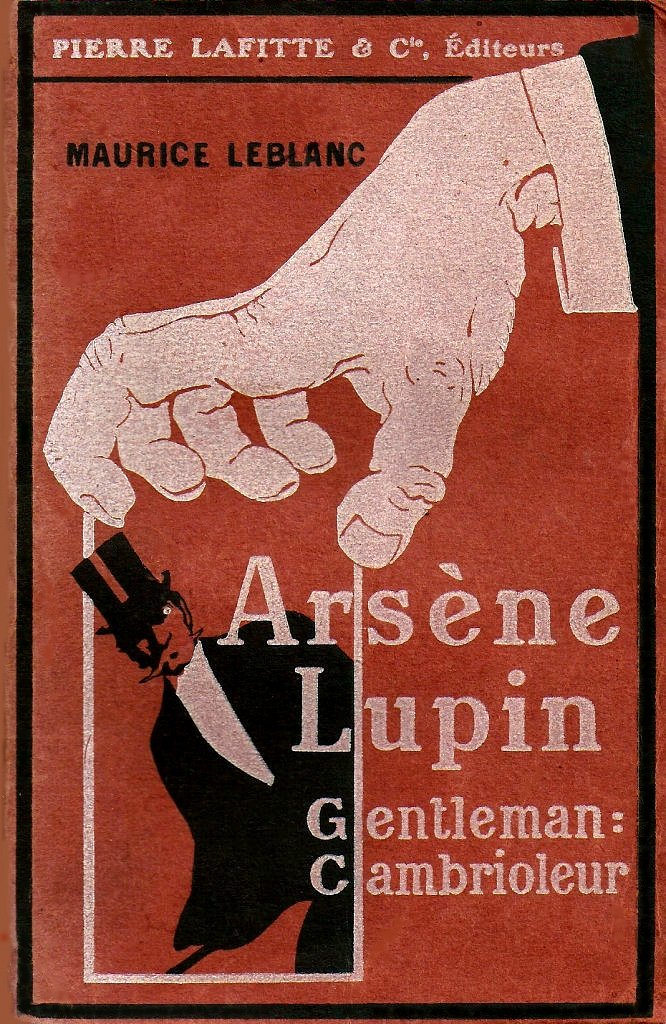
- After c’est. C’est moi, “it’s me”; ce n’est pas lui, “it isn’t him”. This is how the narrator finally confesses: Arsène Lupin, c’est moi.
- On their own, with no verb. Moi ? “Me?” Pas lui… pas elle… “Not him… not her…”
- For emphasis, next to the ordinary pronoun. Moi, je suis Bernard d’Andrézy. English does this with the voice (“I am Bernard”); French cannot stress je, so it adds moi in front. Note that je stays: moi does not replace it.
- After a preposition. sans moi, devant nous, avec lui, grâce à lui. And when two people share a subject, the same pronouns appear: lesson 18 already slipped in Nelly et moi, nous sommes ensemble.
And the me in il me regarde? That is a third kind of pronoun, the object that sits before the verb. You will meet its whole family at A2. For now, the rule of thumb is simple: right before a verb, me; anywhere else, moi.
What does it look like in the story?
These sentences come from lesson 20, “Arsène Lupin, I presume?”, where the narrator is arriving in New York.
| French | English |
|---|---|
| « Moi ? Non, monsieur. Moi, je suis Bernard d’Andrézy. » | “Me? No, sir. I am Bernard d’Andrézy.” |
| Alors oui. Arsène Lupin, c’est moi. | So, yes. Arsène Lupin is me. |
| Elle disparaît dans la foule, sans moi. | She disappears into the crowd, without me. |
Try it: The narrator is talking about himself, yet he says moi, not je. Where in the sentence does je appear, and where does moi appear instead? Look at what stands right after each one.
« Moi-même, me dit-il, je ne sais plus bien qui je suis. »
“I myself,” he told me, “no longer really know who I am.” Maurice Leblanc, L’Arrestation d’Arsène Lupin (1905).
How is it different from English?
English gets by with one word, “me”, for “it’s me”, “without me”, “he looks at me”. French splits the job: c’est moi, sans moi, but il me regarde. And where English raises its voice on “I”, French adds a whole extra word: Moi, je…
What mistake do English speakers make?
Three classics. ✗ c’est je: je can never stand after c’est, ✓ c’est moi. ✗ Moi suis Bernard: moi is decoration and cannot carry the verb, ✓ Moi, je suis Bernard. ✗ sans il, ✗ avec ils: after a preposition, ✓ sans lui, ✓ avec eux.
Where can I practise it?
- Lesson 20: Arsène Lupin, I presume?: the story, the rule and interactive exercises, free.
- Review 4: lessons 16 to 20: this point again, in a summary table with the other lessons of the block.
- The A1 glossary: every word of the course, French to English.